Creator Visibility
Problem: Over 14,000 partner creators in the Ubisoft Creator Program felt ignored because the brand rarely gave feedback on their work, while internal teams lacked a structured process to share partner content.
Outcome: I designed and pitched a multi-department workflow to regularly feature creator content on official channels, securing approval from key department leads to begin trial rollouts.
Disclosure
Presented under non-disclosure constraints, proprietary internal tools and sensitive business metrics have been anonymized or generalized.
Human Friction
In the Ubisoft Creator Program, over 14,000 partner creators felt invisible. They put a lot of effort into their content, but a lack of feedback from the brand hurt their trust and loyalty.
Business Opportunity
At the same time, Ubisoft was missing out. The company was leaving a lot of organic visibility and Earned Media Value (EMV) on the table because internal teams lacked a structured approach. As the main UX designer under the guidance of my Design Manager, my goal was to build a realistic workflow that bridged this dual gap within strict enterprise constraints.
Discovery
To validate creator friction, I started by looking at 12 other entertainment brands, including EA, Riot, and LEGO, to see how they handled creator visibility. This revealed that while huge influencers got plenty of PR attention, nobody had a visible structured way to highlight smaller micro and nano-creators.
Concurrently, I looked at over 20 partner channels and read through more than 60 Discord community reports. The research confirmed the core issue: creators felt they were working in a vacuum because there was no internal system to discover or give feedback on their work.
Ideation Workshop
The root of the problem was internal confusion, so I focused on internal teams instead of asking the creators to fix our handoff issues.
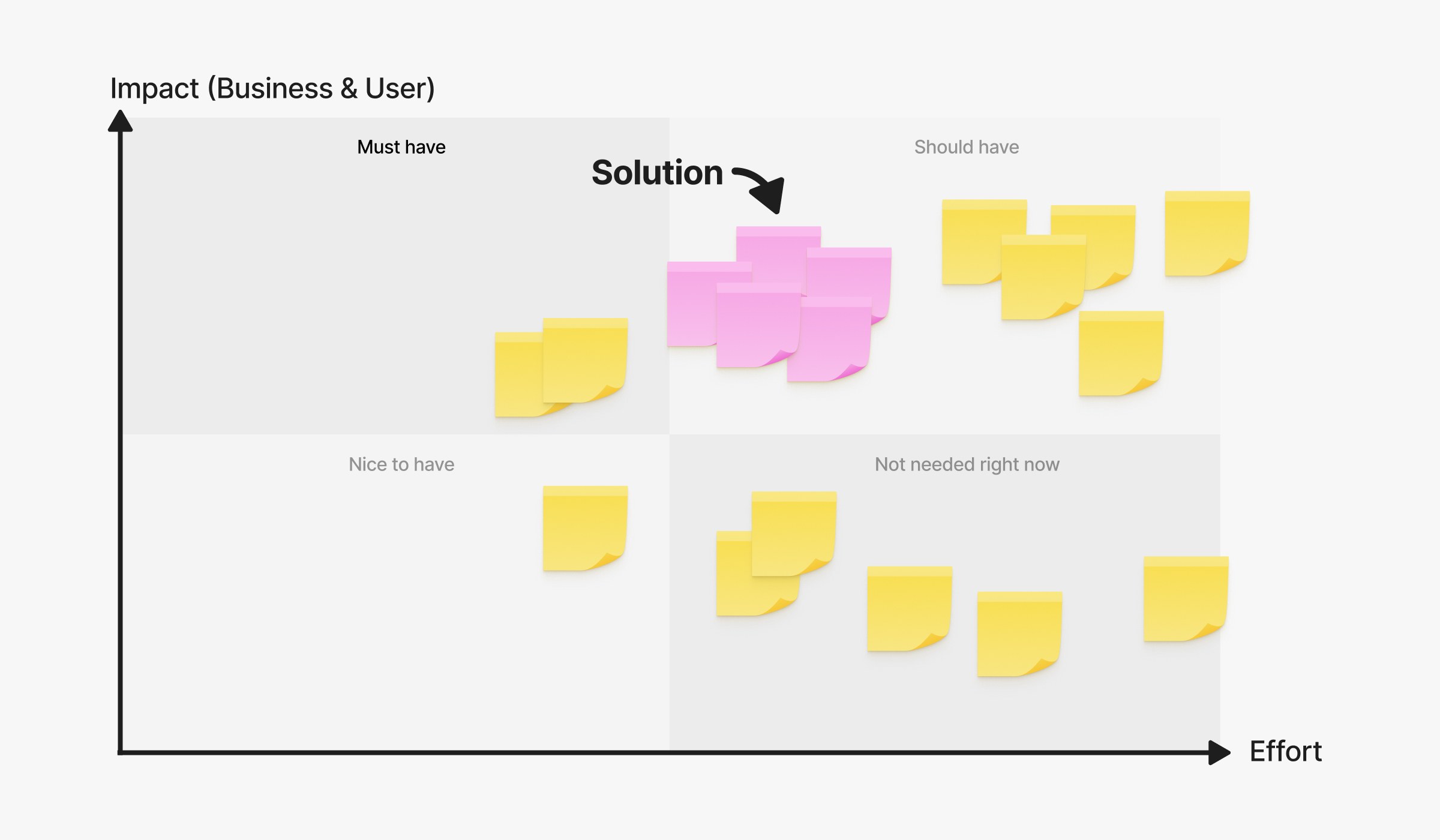
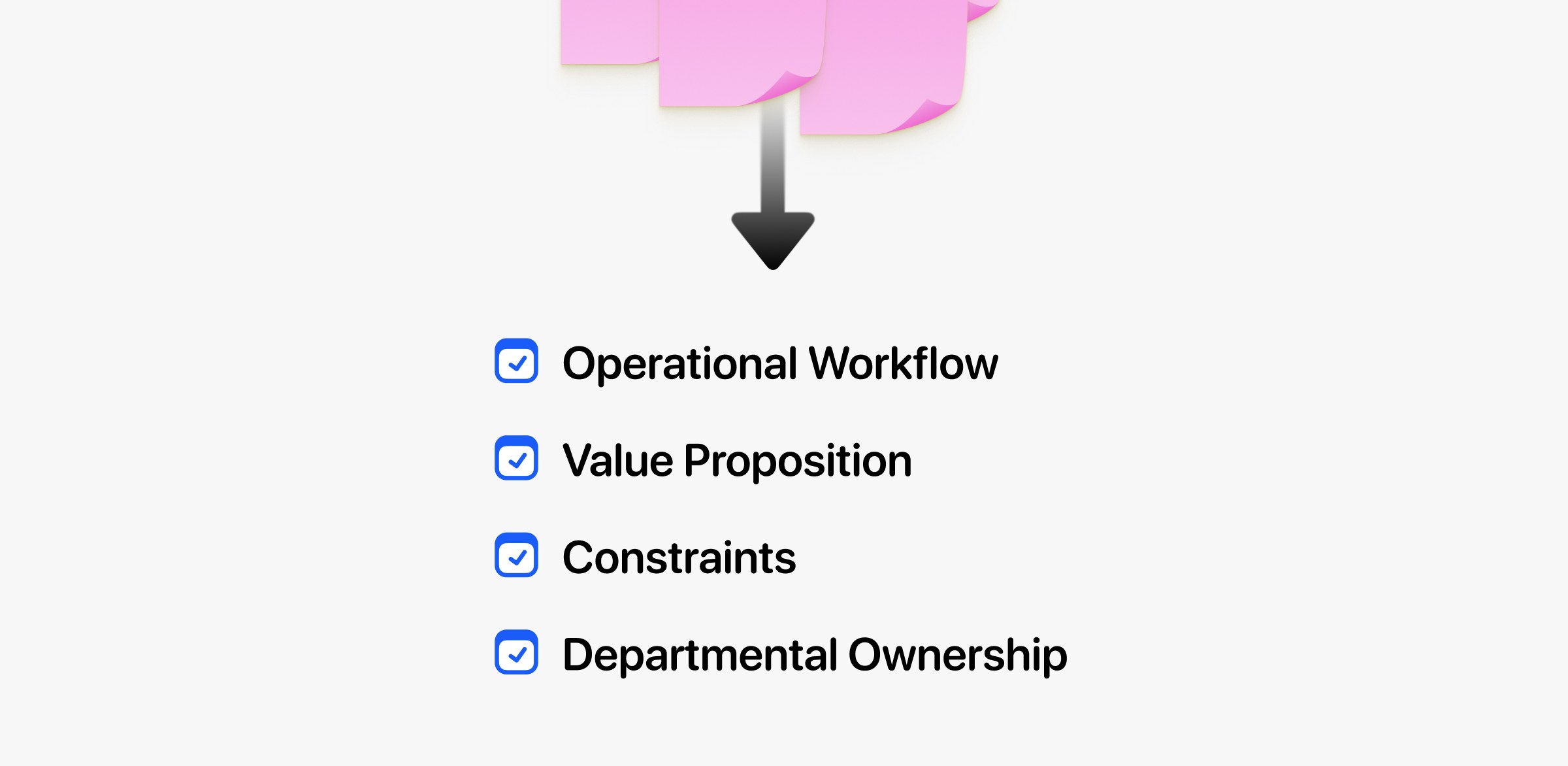
I co-structured and facilitated a two-hour workshop with six internal leads. We used an Impact/Effort matrix to evaluate 24 different ideas and converged on official channel reposting as the most realistic solution. This session also served to identify which key departments needed to be integrated into the pipeline.
Mapping the Process
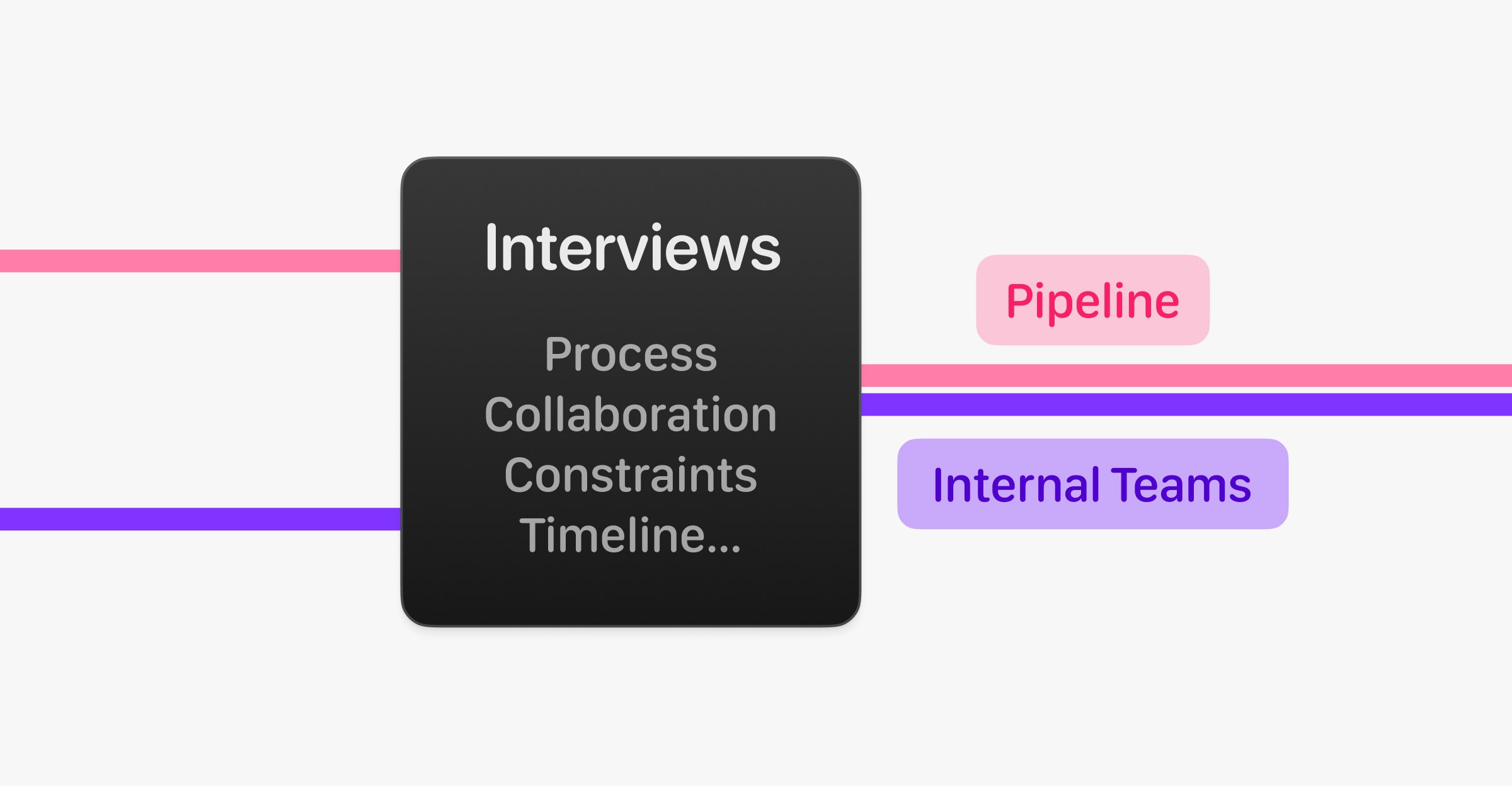
Following the workshop, I conducted interviews with stakeholders integrated during that session to refine the pipeline around their real-world constraints and needs.
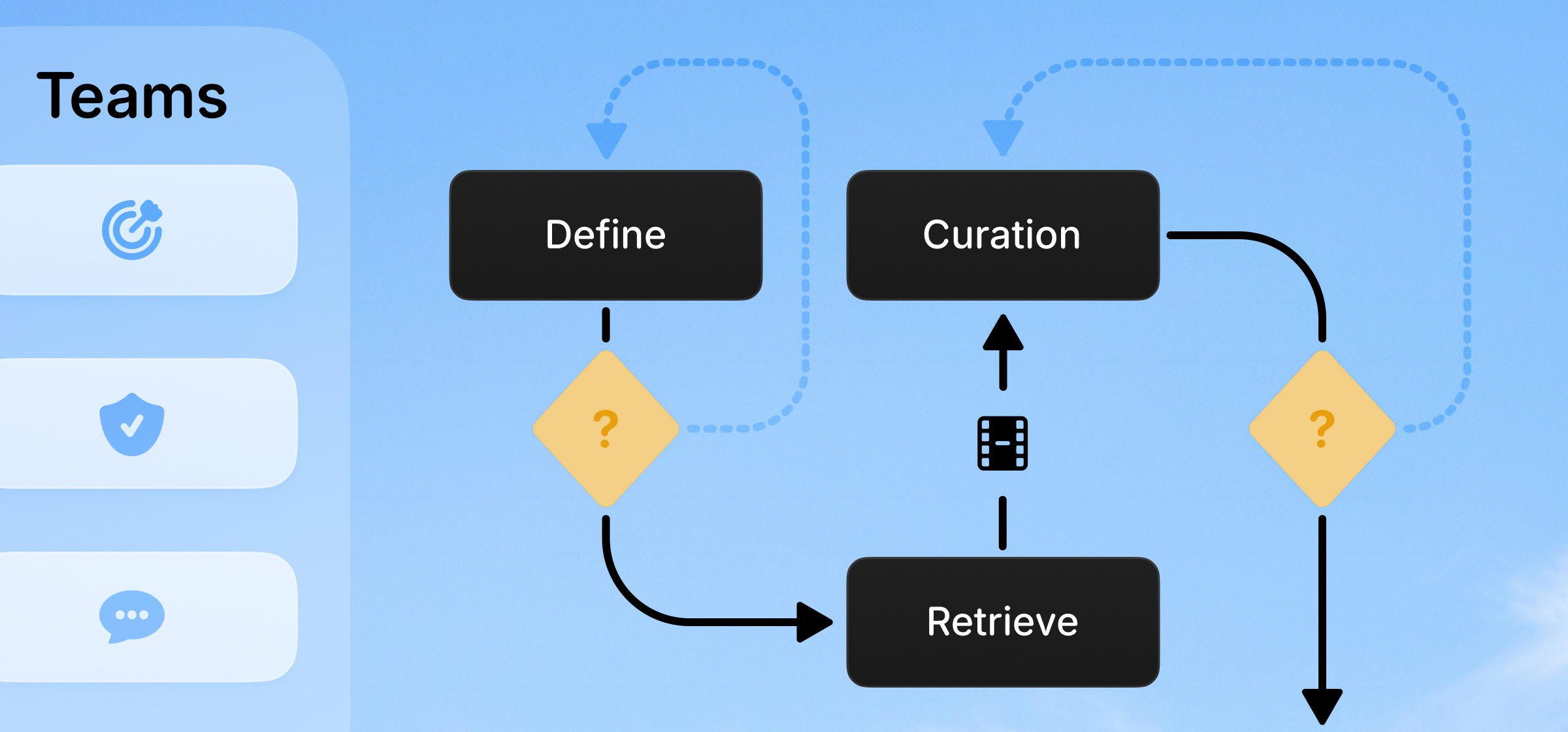
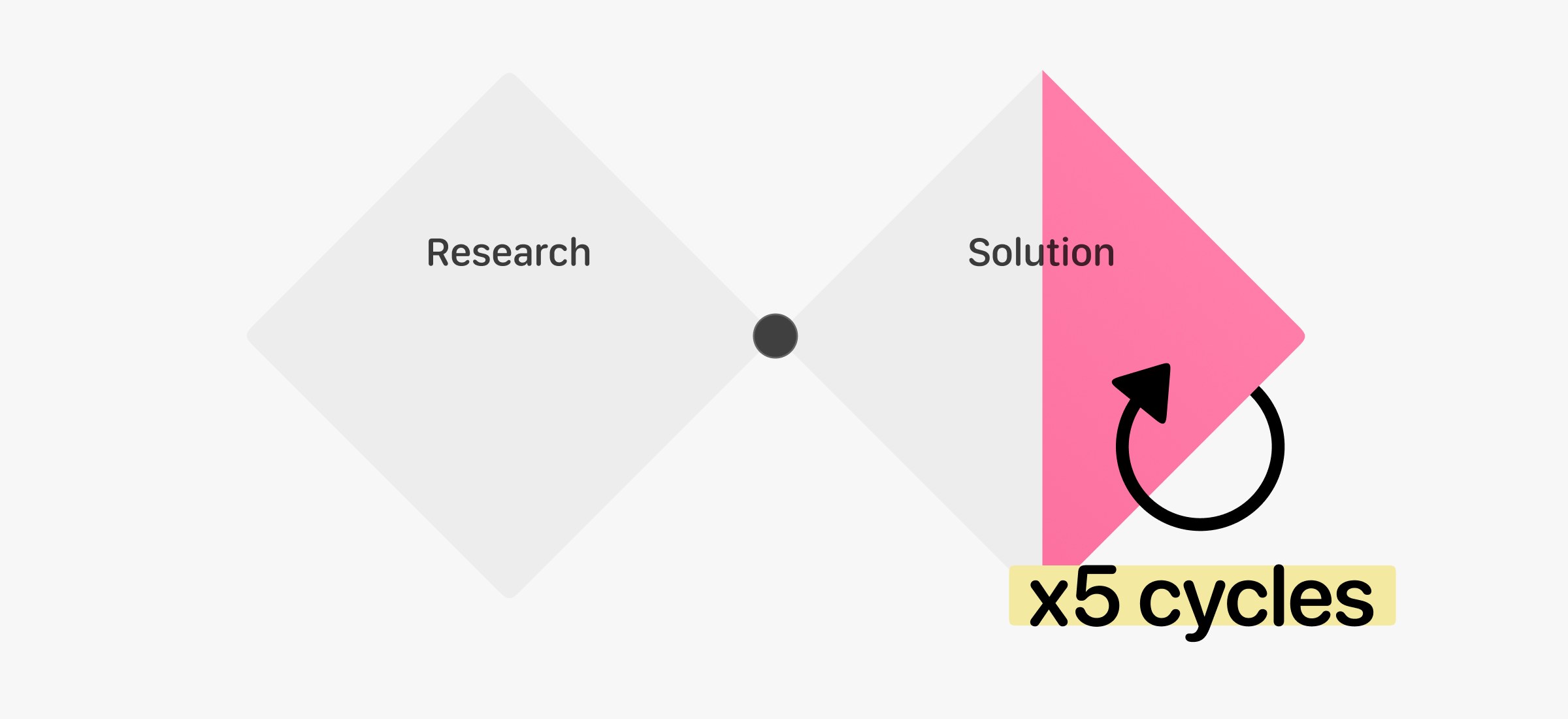
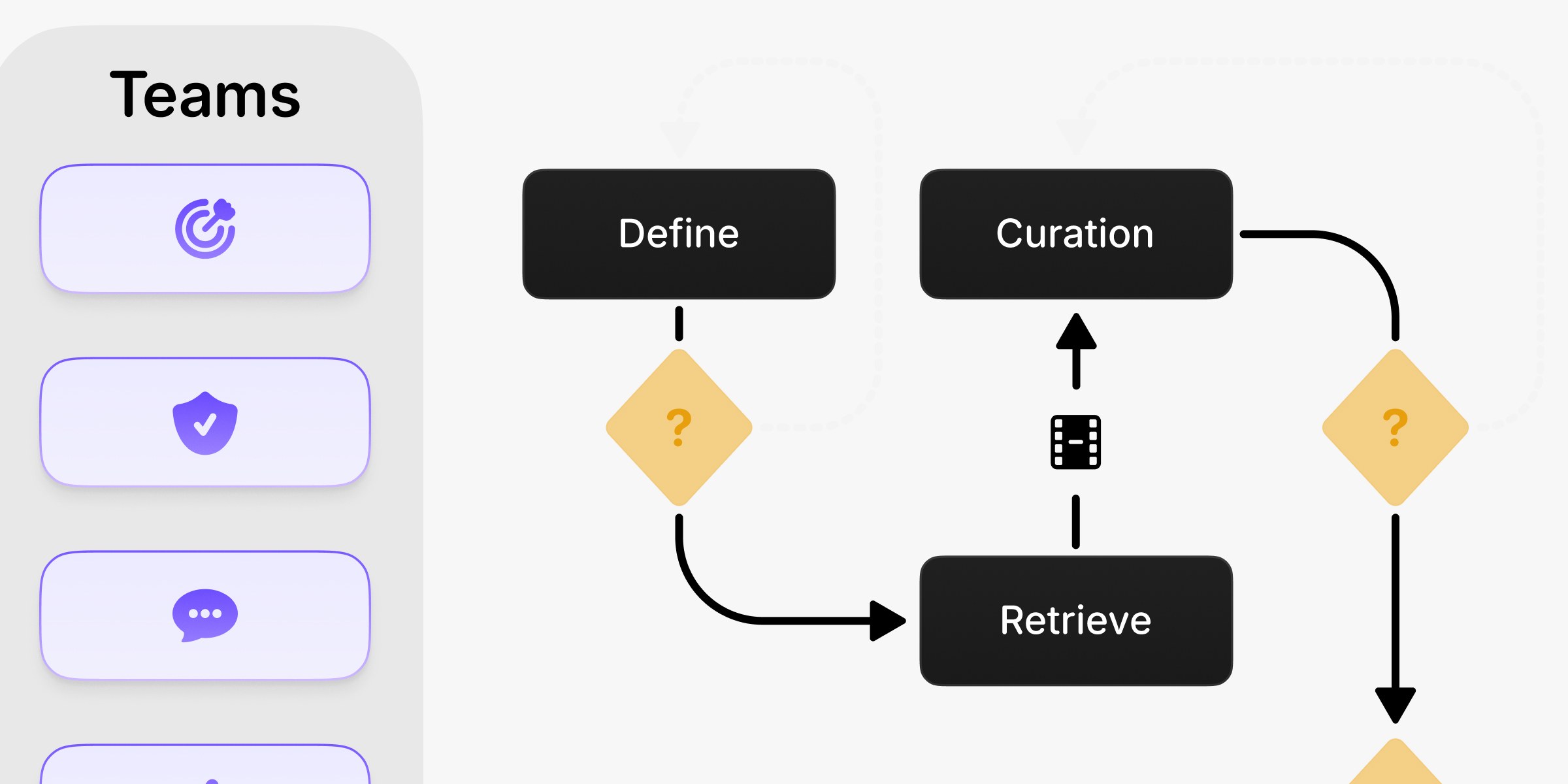
This research revealed how complex the organization really was: six different departments had to coordinate across a mix of publishing tools, task trackers, and community platforms. Over five iterations, I mapped out a workflow that separated global asset approvals from local market publishing, while making sure we still hit mandatory brand safety checks.
Large-Scale Validation
Once the internal workflow was established, I designed a survey for Ubisoft’s Discord community of over 2,000 creators to make sure this approach actually matched what they wanted.
RACI Governance
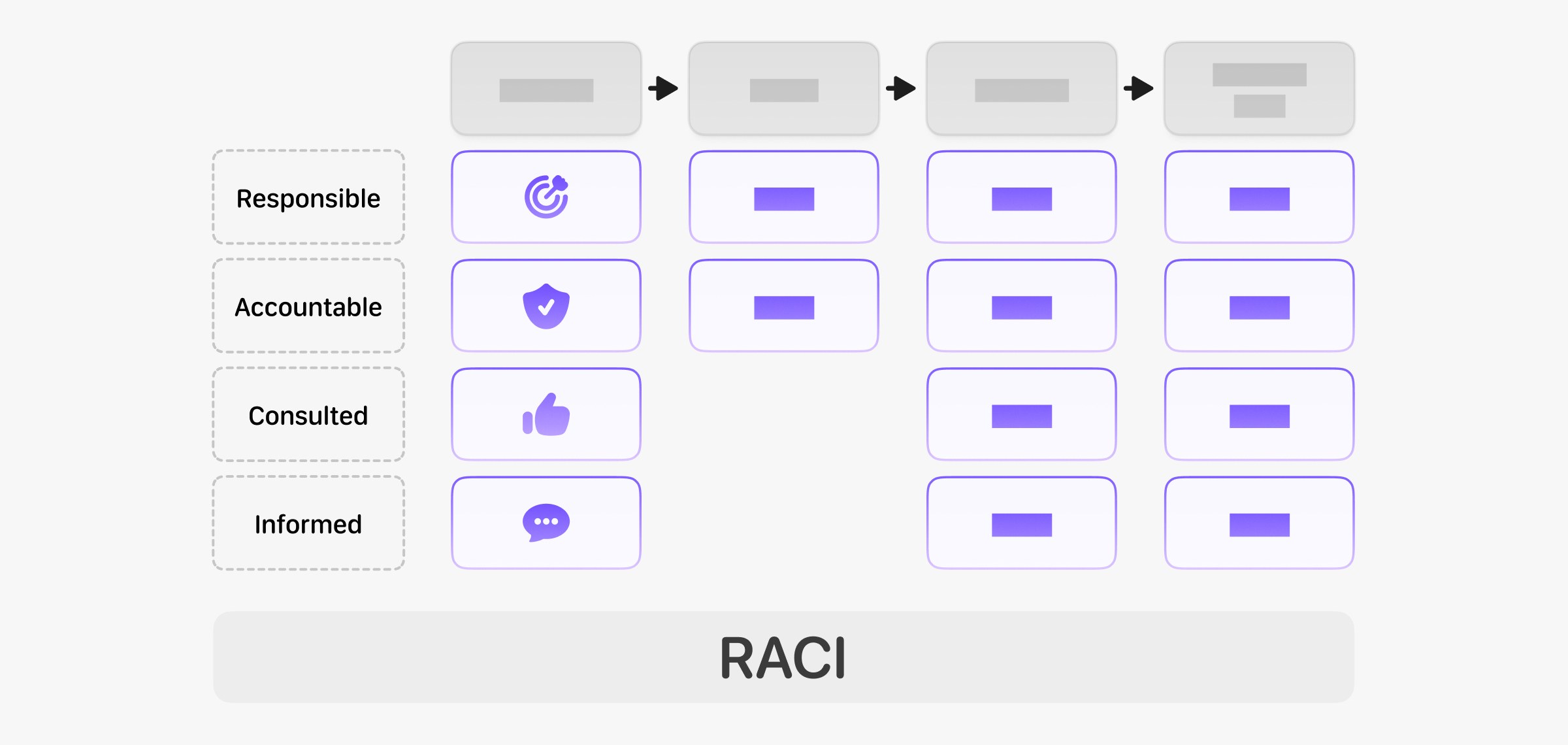
Following a recommendation from my Design Manager, I built a RACI framework to turn this workflow into something teams could actually use. I defined two distinct scenarios: a proactive model for planned campaign activations and a reactive model for spontaneous community clips.
Persuasive Storytelling
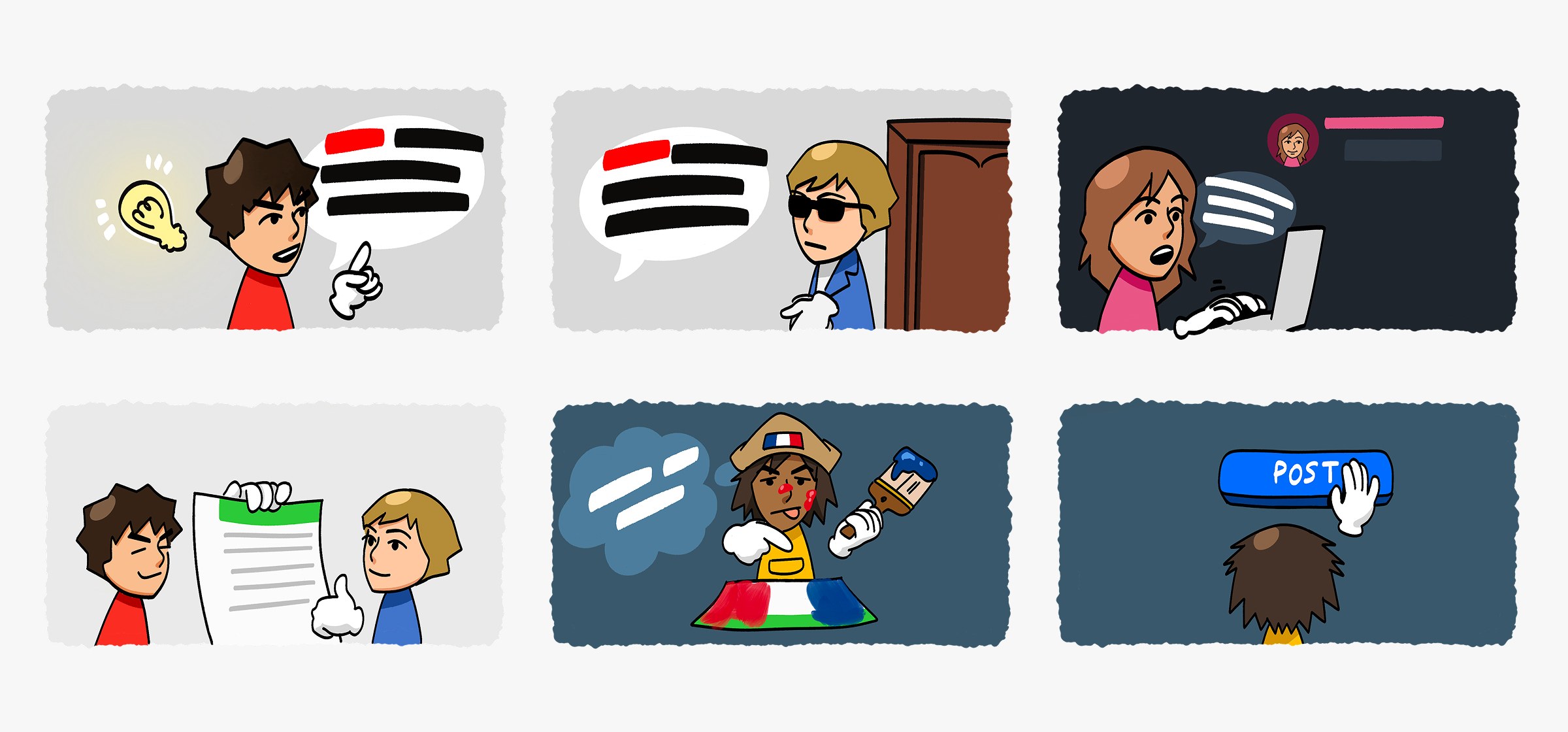
To secure executive buy-in, I translated these models into visual storyboards. By showing the exact journey of a clip (from a creator posting it on Discord, through brand safety checks, and finally onto a local social media channel), I turned a technical handoff into a story that was easy to follow. This approach helped me get approval from three key department leads, giving us a blueprint ready for testing.
Impact and Reflections
This project taught me that a great solution is not just usable, but must also be actively adopted by its users. Trying to book time with busy internal staff forced me to create really tight, efficient interview guides. I also learned that visual storytelling is a powerful way to explain technical processes to business leaders, turning a heavy operational proposal into something they actually want to support.